
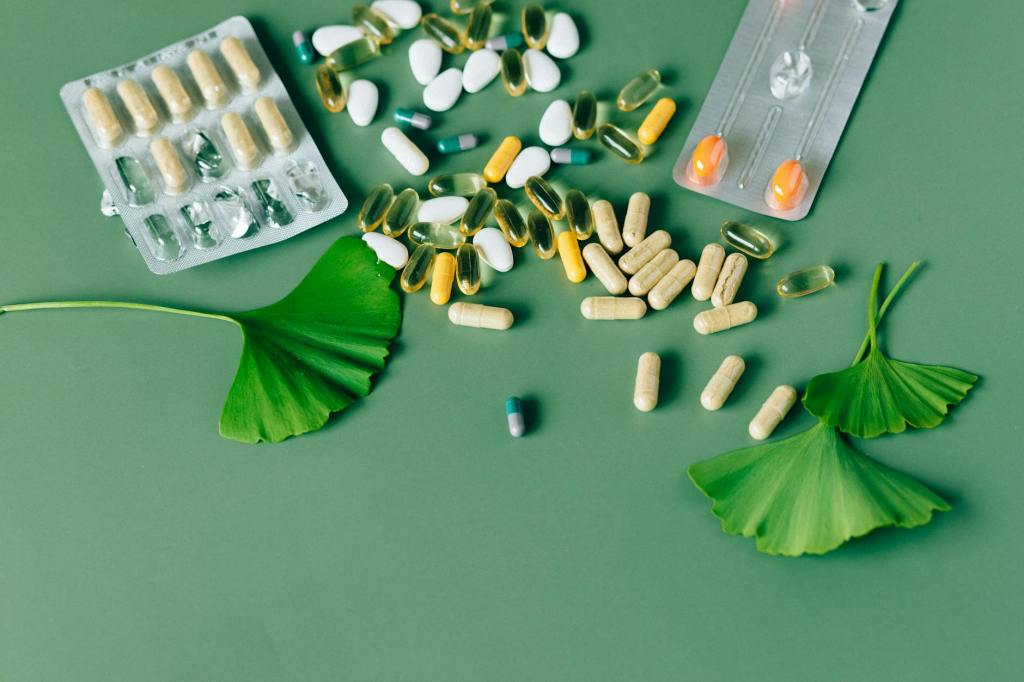
Let’s make one thing clear, right off the bat. You do not need to take any supplements to get in the best shape of your life.
On the hierarchy of important things regarding your health and fitness, supplements fall towards the bottom. Supplements have been made out to be magic pills and powders that will do the work for you. This is false. Supplements are exactly as their name says they are. They supplement your diet. If you are lacking in any important macro or micronutrient, supplements can help fill that void.
Supplements aren’t magic. They aren’t a shortcut to your dream body. They have their uses and can be very beneficial, if you know the right ones to take. They can assist you in meeting your nutrition goals, if you are lacking in a certain area of nutrition that your diet simply does not provide.
Here is a list of supplements that are extensively researched, science backed, and proven to have positive benefits.
Protein Powders (Whey, Plant-based, Blends, Casein)
Whey Protein is likely the most popular supplement available. Sometimes it can just be really hard to consume enough protein in a day from whole foods. A protein shake or two a day can help you meet your mark. It’s relatively cheap, very convenient and can be very tasty, especially if you make protein smoothies. There are endless varieties and possibilities when it comes to smoothies. Whey Protein is the reigning, defending champion of supplements. Hitting your protein levels on a consistent basis is very important to improving your body composition, as it helps in both building muscle and losing fat. The majority of people are routinely lacking enough protein in their diet. If you find it difficult to consume enough protein from food, a protein powder can supplement your diet to ensure you are hitting your numbers.
Feel free to try other types of protein powders, such as casein, blends and vegan protein powders.
Creatine Monohydrate
If Whey Protein is the 1a of supplements, Creatine Monohydrate is the 1b. It’s the most researched supplement available. It is cheap, effective and you can use it year round, regardless of what your goal is.
Benefits:
- Gain muscle and strength faster
- Improves Anaerobic Endurance
- Enhances Muscle Recovery [i]
Creatine is a natural compound made up of amino acids, commonly found in foods such as meat, eggs and fish.
Creatine has been around for a long time but only recently has it really started to become popular with non-fitness folks. There are many benefits such as: increased muscle growth, increased strength, lessens muscle damage and soreness and preserving muscle. There are recent studies suggesting that creatine improves brain function, lowers risk of Parkinson’s disease, may fight other neurological diseases, may lower blood sugar levels and combat diabetes, and may reduce fatigue. There are many benefits and very few, if any, side effects. Creatine is one of the most studied supplements and it has been proven safe and effective over and over.
How to Take Creatine: There is no need to cycle creatine and no need to do a “loading phase”. General recommendations are to take 3-5 grams per day, every day for as long as you want to take it.
There are many variations of creatine on the market but stick with plain old creatine monohydrate. Supplement companies have created many other forms of creatine claiming that the absorption is better or it’s more effective. Don’t be fooled by these claims. They are only trying to take the most effective supplement on the market and sell it at a higher cost. Stick with 3-5 grams per day of creatine monohydrate, whether you are cutting, bulking or maintaining.
Vitamin D
For those of us who are not exposed to enough sunlight year round, it is recommended that you supplement with Vitamin D. Insufficient vitamin D levels increases the risk of osteoporosis, heart disease, stroke, cancer, type 1 diabetes, MS, and the flu. General recommendations for supplementation are around 2000iu of vitamin D per day.
Multivitamin
If your diet consists of mostly whole foods, including lots of plants, fruits, meat and dairy, you’re likely getting the majority of your micronutrients you need to stay healthy. Taking a properly dosed multi-vitamin daily, will ensure that you are hitting your micronutrients required for you to stay healthy.
Fish Oil
A properly dosed fish oil supplement can work wonders for your health and fitness. The benefits include:
- Reducing the risk of heart disease, stroke and type 2 diabetes
- Decreasing Inflammation
- Improving mood, cognitive performance and brain health
- Preventing Weight Gain and Optimizing Fat Loss
- Accelerating Muscle Growth
How To Take Fish Oil: Research shows that a properly dosed fish oil product provides a combined daily intake of 0.5 to 1.8 grams of EPA and DHA. Additional health benefits can be seen up to a combined intake of 6 grams per day. Research shows that people get about one-tenth of the recommended dose, so I would highly recommend adding a fish oil supplement to your plan. It’s not completely necessary but can provide some major benefits that are worthwhile. [ii]
Magnesium
More and more research has been coming out about the benefits of Magnesium.[iii] Specifically Magnesium L-Threonate (for cognitive benefits) and Magnesium Glycinate (for better sleep). The benefits of Magnesium are:
- Better sleep[iv]
- Maintaining bone health
- Regulates blood pressure, which can reduce heart disease
- Blood sugar control
- Improves mood and reduces anxiety
Pre-Workout
Pre-Workouts fall in the category of unnecessary, but can benefit you greatly. Properly dosed pre-workouts include caffeine (or stim free), betaine, beta-alanine and citrulline malate. I personally do not spend my money on pre-workouts, as I love drinking black coffee. I typically just eat 20-30 grams of protein, a piece of fruit and a cup of coffee 30-60 minutes prior to working out, which provides me with enough energy to have great workouts.
Caffeine
Oh, I love my coffee. There are so many benefits to drinking coffee. It is one of my favorite things on this earth. Like anything, if you consume too much of it, there are negative effects. Try not to go over 400 mg per day. The benefits of caffeine are endless.
Drinking coffee may be linked to a lower risk of: Parkinson’s disease, type 2 diabetes and Alzheimer’s disease, metabolic syndrome and chronic kidney disease, liver cancer and liver disease, including cirrhosis, gallstones and kidney stones.
Drinking coffee with caffeine has been linked with improved mood and a lower risk of depression in some groups. Drinking 3 to 4 cups of coffee a day is linked to a lower risk of stroke in some studies. And coffee may help protect against cancers of the mouth, throat and digestive system.
Studies show that coffee drinkers have a lower risk of death from any cause compared to people who don’t drink coffee. [v]
When taken before or during exercise, caffeine can improve aerobic endurance, anaerobic power, sprint speed, muscle endurance, muscle strength, muscle power and agility. [vi]
Protein Bars
I would typically classify a protein bar as food, rather than a supplement. They are a convenient way to snack during the day and hit your daily protein. Try to find a bar that doesn’t have a ton of sugar in it. Again, protein bars are not necessary but can be helpful in your journey, due to their portability and convenience.
The Rest
Quite honestly, you do not “need” any of the supplements listed above. However, they can help supplement your nutrition plan. As for the rest of the hundreds of supplements out there, you can probably pass on them. Companies will still sell us products, even if they are ineffective. I’m not here to tell you how to spend your money. I’m here to tell you to focus on the big building blocks first and then address your supplementation after.
Here is a recap on supplementation.
Tier 1:
- Whey Protein (1-3 servings per day). Try not to lean too heavily on just protein shakes.
- Creatine Monohydrate (3-5 grams per day).
- Vitamin D (2000iu per day)
Tier 2:
- Fish Oil (0.5 to 1.8 grams of EPA and DHA per day)
- Magnesium (400-420 mg per day for men. 310-320 mg per day for women) [vii]
- Caffeine
Tier 3:
- Pre-Workout
- Multi-Vitamin
- Protein Bars
[i] Matthews, Michael. 2021. This Is the Definitive Guide to Creatine Monohydrate Supplementation https://legionathletics.com/creatine-monohydrate/?srsltid=AfmBOorS0pCRSd2EFcJloidUYFNtdicuccSe1EAauOYlEqhotKmfazak
[ii] 2023. Mayo Clinic. Fish Oil. https://www.mayoclinic.org/drugs-supplements-fish-oil/art-20364810
[iii] 2022. University Hospitals. The Science of Health. The surprising health benefits of Magnesium. https://www.uhhospitals.org/blog/articles/2022/09/the-surprising-health-benefits-of-magnesium
[iv] Summer, Jay Vera. 2024. Using Magnesium for Better Sleep. https://www.sleepfoundation.org/magnesium#:~:text=short%20of%20breath?,Benefits%20of%20Magnesium%20for%20Sleep,waking%20up%20earlier%20than%20intended.
[v] 2025. Mayo Clinic. Is drinking coffee healthy? https://www.mayoclinic.org/healthy-lifestyle/nutrition-and-healthy-eating/expert-answers/coffee-and-health/faq-20058339
[vi] 2025. Solomon, Thomas. What are caffeine’s main benefits? https://examine.com/faq/what-are-caffeines-main-benefits/
[vii] 2024. Mayo Clinic Press Editors. Magnesium Glycinate: is this supplement helpful for you. https://mcpress.mayoclinic.org/nutrition-fitness/magnesium-glycinate-is-this-supplement-helpful-for-you/



 Ascend
Leave a comment