
I will spend much of this post addressing the problem that eating healthy and staying fit is too expensive. I will give you a grocery list of foods to shop for, healthy options, a list of inexpensive meals and a cost analysis breakdown of two popular meals. But before I do that, let me address one thing. Eating nutritious foods that provide you long lasting health and wellness is an investment in yourself and your health.
Yes, eating more protein might cost you more money at the grocery store this week. But you have to ask yourself, “Can I afford not to be fit and healthy?” Can you afford to always choose the cheapest and most convenient option, even if it means it is the less healthy option?
You don’t have to eat steak and lobster on a regular basis. You just have to make smart, healthy choices 70-80% of the time, be mindful of how many calories you are consuming and increase your protein. I’m not asking you to hand over all of your hard earned paycheck and only eat “grass fed” this or “organic” that. I’m asking you to make healthy choices, most of the time. This doesn’t mean it always has to be more expensive.
Here is a list of “healthy” foods that are typically very inexpensive. You might have to wait to buy them on sale or in bulk. But generally, these items are affordable and full of nutrients.
Protein:
Eggs – High in protein and healthy fats
Canned Tuna/Salmon – High in Protein, source of Omega-3 healthy fats
Chicken Thighs – Can often be cheaper than chicken breasts and taste better due to their higher fat content.
Greek Yogurt – Higher protein content than regular yogurt and low in sugar if you choose the plain option.
Canned Beans – Full of protein and fiber.
Other Meats – Watch for sales on ground beef, pork chops, and turkey bacon.
Carbohydrates:
Rice – Pretty much the cheapest food available and has a long shelf life. Very versatile and goes with almost anything.
Oats – Especially when bought in bulk, a very good breakfast carb option. Healthy and affordable.
Whole Wheat Pasta – Cheap, easy and goes with anything.
Potatoes – Regular or Sweet Potatoes are cheap, healthy options. The most versatile food available.
Fruits and Vegetables:
Frozen berries – This can vary depending on the berry and season, but frozen berries are a great option due to their cost and convenience.
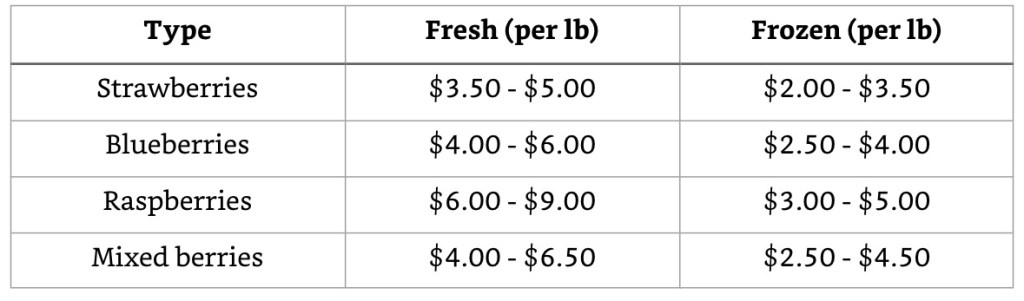
Frozen Vegetables – You lose no nutritional value from eating frozen but you reduce the cost and they last much longer.
Bananas – Very cheap option.
Tips to Reduce Your Grocery Budget, Without Sacrificing Health:
– Stick to a list. Buy store brands or no name brands (same quality/lower price)
– Buy in season or frozen produce.
– Build meals around inexpensive staple foods such as: rice, oats, whole wheat pasta, beans, eggs, canned fish, potatoes, and carrots.
– Cook more at home, rather than regularly choosing the expensive convenient option of eating out.
– Buy in bulk. Freeze leftovers.
Eating Out at Restaurants
Cost Analysis of Eating Out vs Cooking at Home
We’re going to settle once and for all which option is more cost effective. Most people would agree that cooking at home is the more cost effective way to eat. But with the rising cost of groceries, I’ve heard many people offer their opinion that cooking at home is actually more expensive. Let’s see what the numbers say.
Studies have shown that it can be nearly five times cheaper to cook meals at home compared to ordering from a restaurant or takeout. [xviii] One study showed that the average price per serving of home-cooked meals is about $4.31, while the average cost of eating out is $20.31 (US). [xix] Restaurants typically mark up food 2-3x or more to cover expenses. Not only is it more expensive to eat out, but there are also additional expenses associated with it, such as delivery fees, taxes, tips, and fuel. Drinks, especially alcoholic drinks are marked up insanely high at restaurants. You can also cook in bulk at home, saving you additional money on future meals.
The Tale of the Tape: Dining Out Vs Cooking at Home
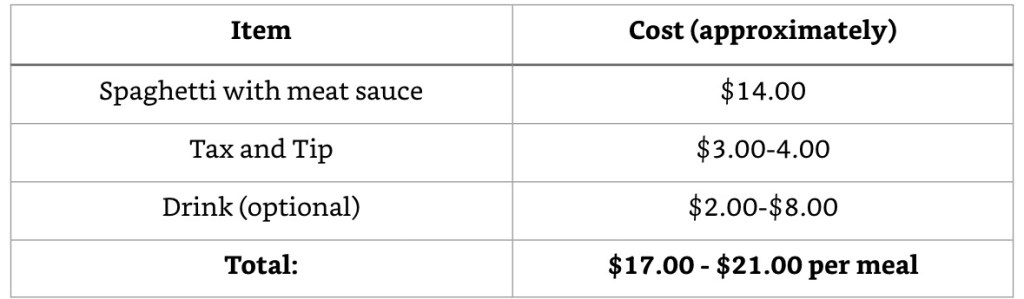
While we could go into a thousand examples/comparisons of eating at home vs dining out, let’s choose two popular items, one mainstream option and one healthier option.
Option 1 – Spaghetti and Meatballs Cooking at Home (per serving for 4 servings)

Dining Out (one serving)
Next let’s look at the typical healthy meal of Chicken, Rice and Vegetables. Cooking At Home (4 Servings)

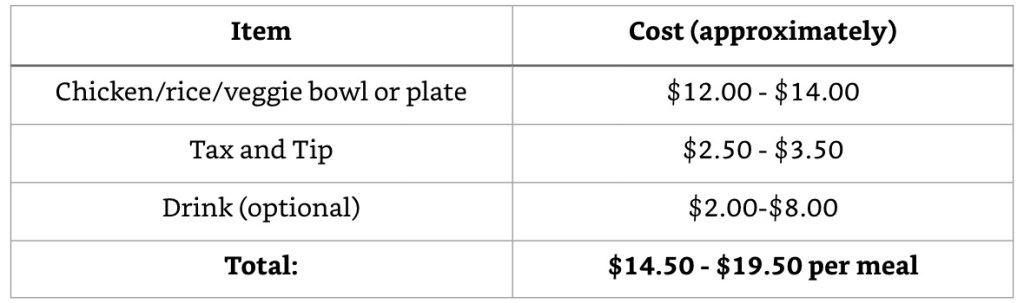
We could do this all day long with different ingredients, meals and options. We would see the same results time and time again. The results are in. It is much more cost effective to eat at home than it is to eat out. This is why I prepare most of my meals at home and occasionally go out to treat myself and my family. I know it’s less healthy. I know it’s more expensive. But I enjoy it, so it is worth the added cost. Just not all the time.
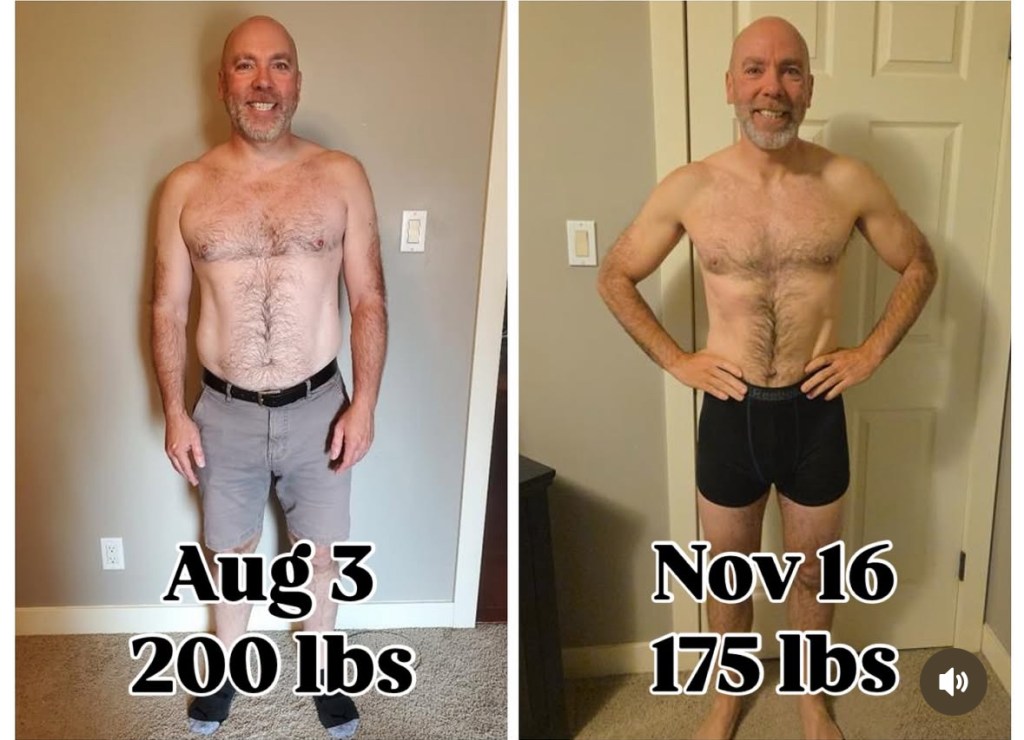
When you start to add it up, day after day, meal after meal, it not only affects your bottom line, but it will also likely affect your belt line.
Regardless of your financial situation, you can eat healthy. You don’t just have to eat rice and beans. There are tons of healthy options. It’s all about shopping for deals and focusing on items that are more budget friendly.
If you enjoyed this article, please head over to my Instagram page and connect with me there!


 Ascend
Leave a comment